
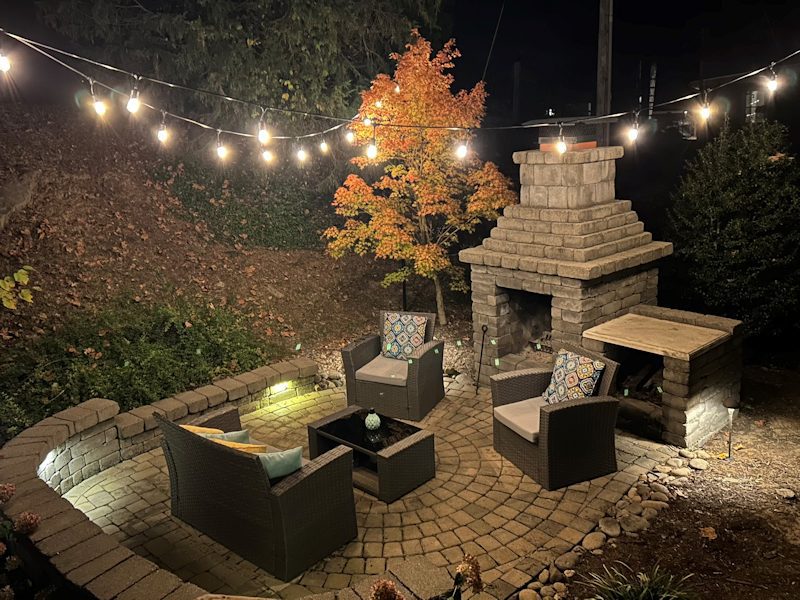
As the days grow shorter and a distinct chill fills the air, many people resign themselves to viewing their backyards from behind a window. But what if your outdoor space could remain a vibrant, inviting hub even during the coldest months? A well-chosen fire feature can transform a dormant winter landscape into a cozy, year-round retreat for family and friends.
Adding a fire feature is one of the most impactful upgrades you can make to your outdoor living area. The decision, however, isn’t always simple. Should you choose the grand, architectural statement of an outdoor fireplace or the social, campfire-like atmosphere of a fire pit? And what about fuel—the rustic crackle of wood or the clean convenience of gas?
This blog will walk you through a detailed comparison of your options. We’ll explore the pros and cons of outdoor fireplaces, wood-burning fire pits, and gas fire pits to help you select the perfect warm-up solution for your space, budget, and lifestyle.
The First Big Decision: Fire Pit vs. Outdoor Fireplace
Before diving into fuel types, the first choice to make is between the two primary structures. This decision will define the look, feel, and function of your outdoor gathering space.
The Social Hub: Fire Pits
A fire pit is the quintessential campfire experience, refined for the modern backyard. Its open, circular or square design allows for 360-degree seating, making it an incredibly social and interactive centerpiece.
Pros of a Fire Pit:
- Encourages Conversation: The open design naturally brings people together in a circle, fostering conversation and a shared experience.
- Versatile Placement: Fire pits can be integrated into a patio or exist as a standalone destination feature elsewhere in the yard, offering flexibility in your landscape design.
- Better for Larger Groups: Because people can gather all the way around it, a fire pit can comfortably accommodate more guests.
Cons of a Fire Pit:
- Smoke Can Be an Issue: With a wood-burning model, shifting winds can blow smoke into guests’ faces, causing a constant reshuffling of seats.
- Less Radiant Heat: Heat dissipates in all directions, so you may need to sit closer to feel the warmth on a very cold night.
The Architectural Anchor: Outdoor Fireplaces
An outdoor fireplace brings the comfort and grandeur of an indoor living room to your landscape. Its substantial vertical structure makes a powerful design statement, acting as a stunning focal point and anchor for your entire outdoor room.
Pros of an Outdoor Fireplace:
- Powerful Focal Point: A fireplace draws the eye and adds a sense of architectural permanence and luxury.
- Efficient Radiant Heat: The firebox directs heat forward, creating a cozy and contained seating area that feels significantly warmer.
- Blocks Wind and Enhances Privacy: The solid structure can effectively block chilly winds and create a more secluded, intimate atmosphere.
Cons of an Outdoor Fireplace:
- Larger Investment: Due to their size, structural requirements, and more complex construction, outdoor fireplaces are typically more expensive than fire pits.
- Limited Seating: The heat is directed to the front, limiting the primary seating area and making it better suited for smaller, more intimate gatherings.
The Second Choice: Wood vs. Gas
Once you’ve chosen your structure, the next consideration is your fuel source. This choice significantly impacts the ambiance, convenience, and maintenance of your fire feature.
Wood-Burning: The Authentic Experience
For many, the only “real” fire is a wood fire. It engages all the senses—the crackling sound, the smoky aroma, the radiant heat, and the mesmerizing dance of tall, bright flames.
Best for: The traditionalist who loves the full sensory experience and doesn’t mind a little hands-on effort.
Key Features:
- Ambiance: Delivers an unmatched rustic, campfire-like atmosphere. It’s the only option for roasting marshmallows or hot dogs.
- Higher Heat Output: A well-built wood fire can produce significantly more heat than most gas fire pits, making it ideal for the coldest winter nights.
- Fuel Availability: Wood is readily available and can be inexpensive if you have a local source.
Considerations:
- Maintenance & Effort: Requires effort to start, tend the fire, and clean up ash afterward. You also need a dry, dedicated space to store firewood.
- Smoke: Can be a major issue for those with allergies or close neighbors. Local regulations may also restrict wood burning on certain days.
- Ignition Time: It takes time to build a fire from scratch; it’s not an “instant-on” solution.
A wood-burning fire pit is the classic choice for social gatherings, while a wood-burning outdoor fireplace offers a grand, traditional hearth for your outdoor room.
Gas-Fueled: The Ultimate in Convenience
Gas fire features offer the beauty and warmth of a fire with none of the work. Powered by either natural gas or a propane tank, they provide instant ambiance with the flick of a switch or the turn of a key.
Best for: The homeowner who values convenience, ease of use, and a clean, smoke-free experience.
Key Features:
- Instant Gratification: Your fire is ready in seconds, with no effort required. This means you’re more likely to use it, even for short periods.
- Clean-Burning: Gas produces no smoke, embers, or ash, making it ideal for smaller spaces, covered patios, and homes with close neighbors.
- Control and Safety: The flame height is easily adjustable, and there are no sparks to worry about. Turning it off is as simple as turning it on.
Considerations:
- Lower Heat Output: While gas fire features provide good warmth, they typically produce less radiant heat than a large wood fire.
- Less “Natural” Feel: Gas flames lack the crackle and organic feel of a wood fire.
- Installation Cost: A gas fire pit or outdoor fireplace requires professional installation to safely run gas lines, which can add to the upfront cost.
Gas features can be customized with decorative media like lava rock for a rustic look or colored fire glass for a sleek, modern aesthetic.
Making the Right Choice for Your Landscape Design
At Hancock Landscape, we believe the perfect fire feature is one that seamlessly integrates with your lifestyle and your home’s aesthetic. Here’s a final breakdown to help you decide:
- For the Ultimate Entertainer with a Large Yard: A wood-burning fire pit offers a social hub with an authentic campfire feel that can accommodate plenty of guests.
- For the Busy Family Seeking Effortless Ambiance: A gas fire pit provides instant, smoke-free enjoyment for weeknight gatherings and impromptu get-togethers.
- For the Homeowner Creating an Intimate, Luxurious Retreat: A wood-burning outdoor fireplace delivers a grand, traditional focal point with maximum heat and ambiance.
- For the Modern Homeowner Prioritizing Cleanliness and Control: A gas outdoor fireplace combines architectural impact with effortless, smoke-free operation, anchoring a sophisticated outdoor living room.
Investing in a fire feature is an investment in year-round enjoyment. It’s about creating a space where memories are made, stories are shared, and the beauty of the outdoors can be appreciated no matter the season. Our team can help you navigate the options and design a fire feature that is safe, beautiful, and perfectly suited to your needs.
Ready to bring warmth and light to your landscape this winter? Contact Hancock Landscape today for a consultation, and let’s start planning your perfect outdoor fire feature.