
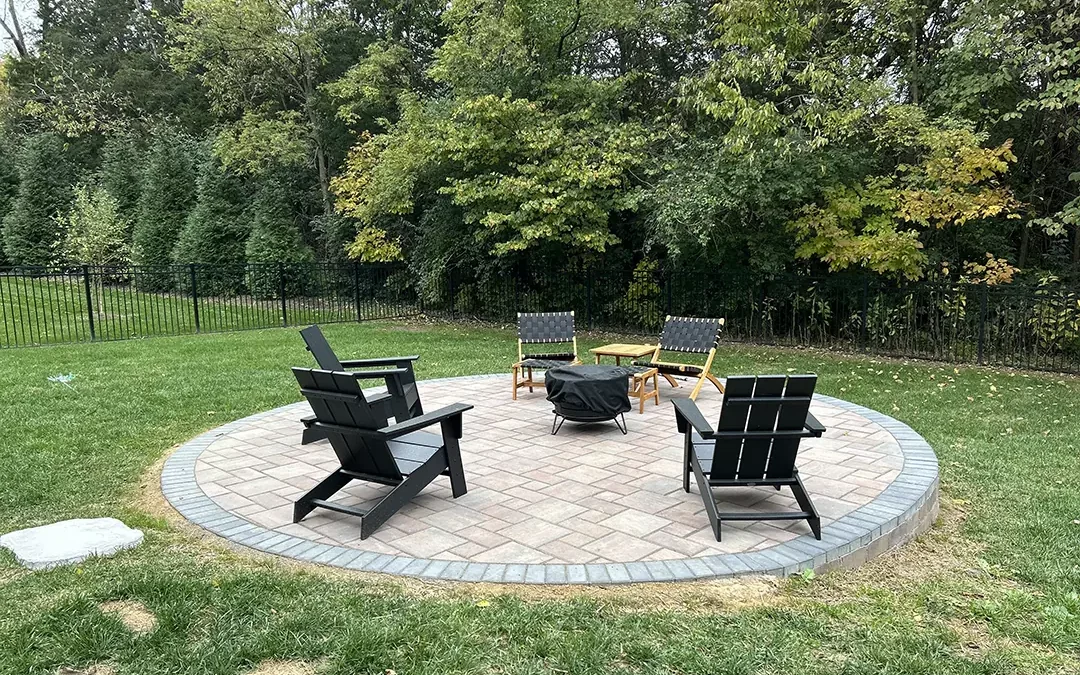
A beautiful hardscape—be it a sprawling patio, a winding walkway, or a sturdy retaining wall—is the backbone of your outdoor living space. It’s a significant investment that adds value, function, and structure to your property. But as winter arrives with its cycle of freezing and thawing, your hardscapes face their toughest test of the year. Moisture seeps into small crevices, freezes, expands, and can cause significant damage over time.
Fortunately, a little preventative care can go a long way in preserving the integrity and beauty of your pavers, stone, and concrete surfaces. Proper winter maintenance ensures that your investment remains safe, stable, and ready for enjoyment when the warm weather returns.
This guide will provide practical, essential tips for protecting your hardscape through the winter. We will cover how to prepare your surfaces before the first freeze, safe methods for de-icing, and the importance of proper drainage to prevent long-term damage.
The Biggest Winter Threat: The Freeze-Thaw Cycle
Understanding the enemy is the first step in protecting your hardscape. The primary culprit of winter damage is the freeze-thaw cycle.
Here’s how it works:
- Moisture Penetration: Water from rain, melting snow, or ice seeps into the porous surfaces of concrete, natural stone, and into the joints between pavers.
- Freezing and Expansion: When the temperature drops below 32°F (0°C), this trapped water freezes. As water turns to ice, it expands by about 9% in volume.
- Pressure and Damage: This expansion exerts immense pressure on the surrounding material. It can widen tiny cracks in concrete, push pavers out of place (a process called “heaving”), and compromise the stability of retaining walls.
- Thawing and Repetition: When the temperature rises, the ice melts, and the water settles deeper into the newly enlarged cracks. The cycle repeats with the next freeze, causing progressively more damage each time.
Over a single winter, this process can lead to spalling (flaking surfaces), significant cracks, and uneven, hazardous walkways and patios.
Step 1: Pre-Winter Preparation
Before the first major snowfall, take some time to inspect and prepare your hardscape. This proactive approach is the most effective way to minimize winter damage.
Clean and Inspect Thoroughly
Remove all furniture, planters, and decorative items from your patios and walkways. This prevents them from trapping moisture against the surface. Once the area is clear, give it a thorough cleaning. Sweep away all leaves, dirt, and debris. This is important because decaying organic matter can stain surfaces and hold moisture, promoting mold and mildew growth.
As you clean, perform a detailed inspection. Look for:
- Existing Cracks: Note any small cracks in concrete or stone.
- Loose Pavers: Check for any pavers that wobble or are uneven.
- Joint Sand Levels: In paver systems, ensure the sand-filled joints are topped up. Low joint sand allows water to penetrate easily beneath the pavers.
- Retaining Wall Issues: Examine retaining walls for any signs of bulging or leaning.
Seal for Protection
Applying a high-quality sealant is one of the best preventative measures you can take. A sealer creates a protective barrier over the surface of concrete and stone, preventing water from penetrating.
- For Concrete and Stone: Choose a breathable, penetrating sealer designed for exterior hardscapes. This allows any existing moisture vapor inside the material to escape while blocking liquid water from entering.
- For Pavers: Sealing pavers not only protects them from water but also helps to lock joint sand in place and makes them easier to clean.
Fall is the ideal time for sealing, as the weather is typically dry and temperatures are moderate. Always follow the manufacturer’s instructions for application.
Step 2: Safe Snow and Ice Removal
Once winter is in full swing, you’ll need to manage snow and ice. How you do this can have a major impact on the lifespan of your hardscape.
Choose Your Shovel Wisely
Metal-edged shovels can easily scratch, chip, and gouge your hardscape surfaces. Instead, opt for a plastic shovel or one with a protective plastic edge. If you use a snow blower, ensure the auger is set high enough so it doesn’t scrape the surface of your patio or walkway.
The Dangers of De-Icing Salts
The most common mistake homeowners make is reaching for rock salt (sodium chloride) to melt ice. While effective, rock salt is extremely corrosive to concrete, pavers, and natural stone. It chemically accelerates the freeze-thaw cycle and can cause severe surface pitting and spalling. It’s also harmful to surrounding plants, pets’ paws, and metal railings.
Safer De-Icing Alternatives
Instead of rock salt, consider these safer options:
- Calcium Magnesium Acetate (CMA): CMA is one of the safest de-icers available. It is non-corrosive and biodegradable, making it safe for concrete, pets, and plants. It is more expensive but is an excellent choice for protecting a high-value hardscape.
- Calcium Chloride: This salt is effective at much lower temperatures than rock salt and is less damaging to concrete. However, it can still harm vegetation if used in excess. Use it sparingly.
- Sand or Kitty Litter: For traction on icy spots, sand or non-clumping kitty litter are excellent, non-damaging choices. They won’t melt the ice, but they will provide a safe, slip-resistant surface.
A good rule of thumb: Use any chemical de-icer sparingly. Shovel first, then apply a de-icer only to the remaining thin layers of ice.
Step 3: Manage Drainage
Water is the enemy, so controlling where it goes is crucial. Poor drainage concentrates moisture in vulnerable areas, leading to bigger problems.
Check Gutters and Downspouts
Ensure your home’s gutters are clean and that downspouts are directing water away from your hardscape foundations. A downspout that empties directly onto a patio can create a super-saturated area that is highly susceptible to freeze-thaw damage. Use splash blocks or extensions to channel water at least 5-10 feet away from walkways and foundations.
Monitor Retaining Walls
Retaining walls are engineered to manage soil and water. The drainage systems built into them (such as weep holes and gravel backfill) are essential for their stability. Regularly check that weep holes at the base of the wall are clear of debris so that water can escape freely from behind the wall. If water cannot escape, hydrostatic pressure builds up, and when it freezes, it can cause the wall to bow, shift, or even fail.
Build for a Better Winter
Your hardscapes are a lasting feature of your home, and with the right care, it can look great for decades. Winter presents the biggest challenge, but a proactive maintenance strategy of cleaning, sealing, and using safe snow removal practices will protect your investment.
At Hancock Landscape, we design and build our hardscape with Kentucky’s weather in mind, incorporating robust foundations and proper drainage from the start. If you’re seeing signs of winter damage on your existing hardscapes or are planning a new project, our team can help.
Ready to ensure your outdoor spaces stand strong through every season? Contact Hancock Landscape today for a consultation on hardscape repair or installation.